

Common Product Labeling Mistakes That Can Cause Compliance Issues
Product labeling compliance is one of the most overlooked parts of product packaging. Missing mandatory information, incorrect regulatory symbols, or unreadable labels can result in recalls, fines, and shipment delays.
Whether you’re printing consumer packaging or labeling industrial equipment, compliance mistakes are more common and more costly than most businesses expect. This guide breaks down the most frequent labeling errors that put brands at risk, and how to avoid them.
Why Product Labeling Compliance Matters
Regulatory bodies such as the FDA, OSHA, FTC, and international standards organizations (like ISO and CE marking authorities) set strict requirements for what must appear on product packaging labels. These rules exist to protect consumers, workers, and supply chains. But they also change frequently across regions and industries, which makes ongoing compliance labeling reviews essential rather than optional.
A non-compliant label can lead to:
- Product recalls and destroyed inventory
- Customs delays or import rejections
- Regulatory fines and legal liability
- Damage to brand reputation and customer trust
Getting labeling right isn’t just a design task. It’s a core part of packaging compliance.
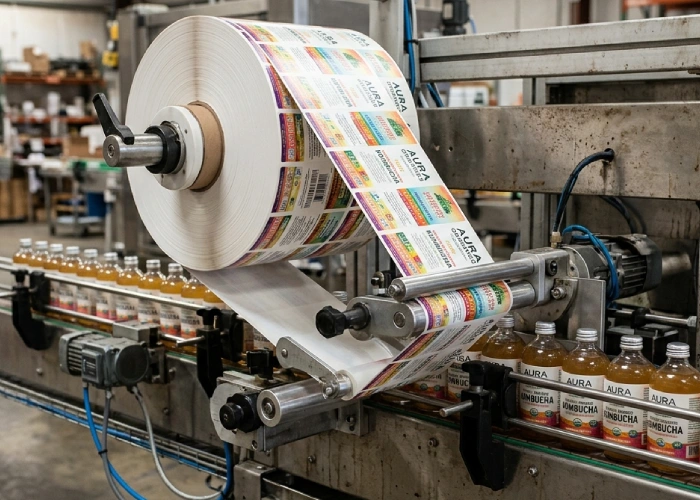
1. Missing or Incorrect Mandatory Information
Every product label typically requires specific mandatory elements depending on the product category. This includes ingredient lists, net quantity, manufacturer details, country of origin, or safety warnings. A common mistake is assuming a template used for one product line automatically satisfies requirements for another. Regulations vary by product type, so each label should be checked individually against current requirements.
How to avoid it: Maintain a compliance checklist per product category and review it before every print run, not just at initial launch.
2. Outdated Regulatory Symbols or Standards
Standards bodies periodically revise hazard symbols, certification marks, and safety pictograms. Using an outdated GHS (Globally Harmonized System) symbol or an expired certification icon is a frequent error. This is especially common in industrial product labels used for chemicals, machinery, and electrical equipment.
How to avoid it: Subscribe to updates from relevant regulatory bodies (OSHA, ISO, ANSI, or regional equivalents) and audit label artwork annually.
3. Illegible Text and Poor Print Quality
Compliance isn’t only about content. It’s also about readability. Many regulations specify minimum font sizes, contrast ratios, and label durability standards, especially for industrial product labels exposed to heat, chemicals, or abrasion. A label that fades or peels within weeks can be considered non-compliant even if the original content was correct.
How to avoid it: Choose label materials and adhesives rated for the product’s environment, and test durability under real-world conditions before mass production.
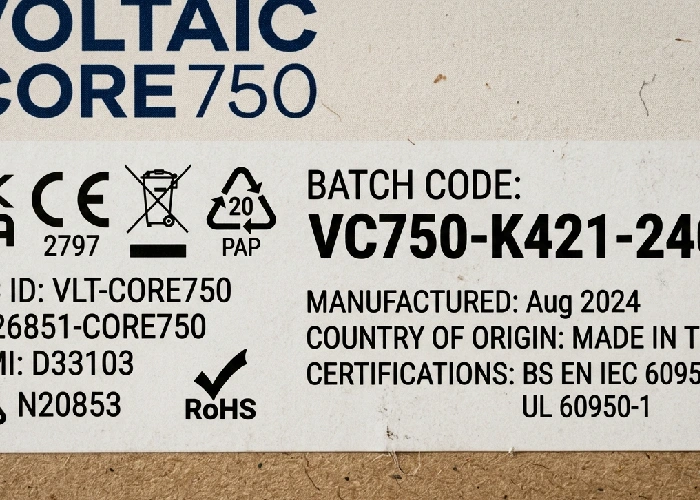
4. Inconsistent Batch, Lot, or Expiry Information
Traceability is a core compliance requirement in industries like pharmaceuticals, food, and industrial chemicals. Mistakes such as duplicate batch numbers, missing manufacturing dates, or inconsistent formatting between the label and internal records can compromise recall readiness and audit trails.
How to avoid it: Automate batch and date coding through your labeling software rather than relying on manual entry.
5. Incorrect or Missing Multi-Language Requirements
Products sold across borders often require labeling in multiple languages, with specific rules about translation accuracy and placement.
Skipping a required language, or using a poor machine translation for safety instructions, is a serious gap in product packaging labels intended for export markets.
How to avoid it: Work with certified translators for regulatory content and confirm language requirements for each target market before printing.
6. Ignoring Industry-Specific Labeling Standards
Industrial product labels often carry additional obligations beyond general consumer rules. This can include hazard classification, equipment ratings, or handling instructions mandated by workplace safety regulations. Treating an industrial label like a standard retail label is a common and costly oversight in compliance labeling.
How to avoid it: Map each product line to its specific regulatory framework (e.g., OSHA HazCom, UN transport labeling, CE directives) rather than applying a generic labeling policy company-wide.

Frequently Asked Questions
What is product labeling compliance? Product labeling compliance means ensuring a product’s label meets all legal and regulatory requirements for its category and market, including mandatory information, safety symbols, language, and formatting standards.
What information is legally required on a product label? This varies by product and region, but commonly includes ingredient or material lists, net quantity, manufacturer details, country of origin, batch/lot numbers, expiry dates, and applicable hazard warnings.
How often should product labels be reviewed? Labels should be reviewed at least annually, and immediately whenever regulations, formulations, packaging materials, or target markets change.
Can incorrect labels cause customs delays? Yes. Missing required information, incorrect language translations, or outdated regulatory symbols are common reasons shipments get held or rejected at customs.
Final Thoughts
Before your next print run, audit your labels against current regulatory requirements and packaging specifications. A compliance review today is far less expensive than a recall, rejected shipment, or regulatory penalty tomorrow.Building a compliance-first labeling process protects your products, your customers, and your brand reputation. By maintaining accurate artwork, verifying regulatory requirements, and using durable label materials, businesses can reduce costly errors and stay prepared for audits and market changes.
For businesses looking for reliable, compliant, and high-quality labeling solutions, Speciality Labels can help ensure your product labels meet industry standards while delivering the durability, accuracy, and consistency required for modern packaging and compliance needs.