

Which Type of Printed Label Is Best for Your Product? A Complete Guide
Choosing the right label isn’t just a design decision, it’s a business decision. The wrong material can peel off in a freezer, fade in sunlight, or fail to meet regulatory requirements. The right one protects your brand, keeps your product compliant, and makes your packaging shelf-ready. This guide breaks down the major types of printed labels, where each one fits best, and how to choose confidently for your industry, drawing on best practices used by established label manufacturers like Speciality Labels to help you make the right call for your product.
Understanding the Main Types of Printed Labels
1. Roll Stickers (Roll Labels)
Roll stickers are one of the most widely used label formats across industries because they’re built for speed and automation. Wound on a roll rather than cut into individual sheets, they run efficiently through automatic labeling machines and dispensers ideal for businesses that need to label hundreds or thousands of units per day.
Best for: E-commerce packaging, small business branding, bottling lines, and any operation using automated or semi-automated application equipment.
2. Product Packaging Labels
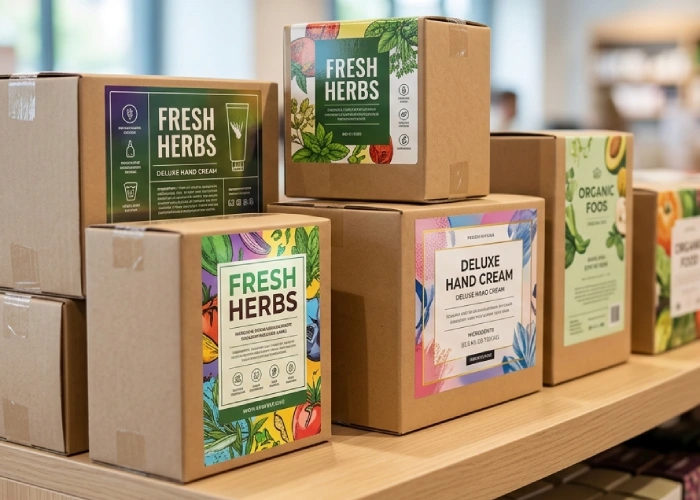
Product packaging labels are the general-purpose workhorse of retail and consumer goods. They’re designed primarily for branding and shelf appeal, appearing on boxes, pouches, cartons, and containers across nearly every consumer category.
Best for:Retail products, cosmetics, household goods, subscription boxes, and gift packaging.
3. Food Product Labels
Food labeling sits in its own category because it must satisfy both branding goals and strict regulatory requirements. Labels need to survive refrigeration, freezing, condensation, and grease exposure all while remaining fully legible for nutritional facts, allergens, and expiration dates.
Best for:Packaged foods, beverages, frozen goods, bakery items, and deli products.
4.Pharmaceutical Labels
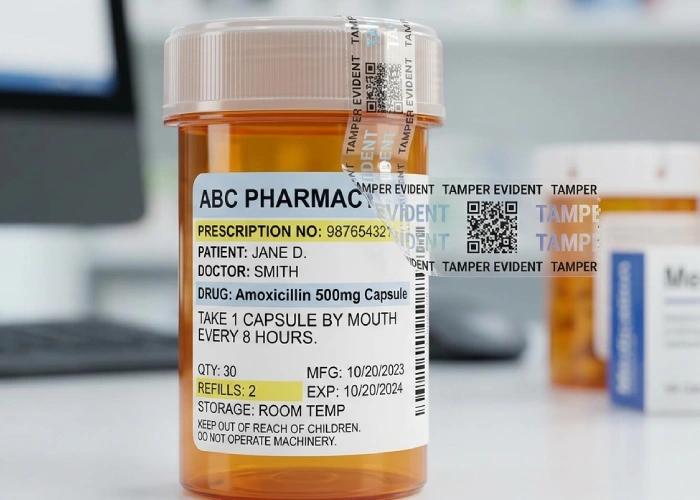
Pharmaceutical labels are among the most tightly regulated in the printing industry. They must be tamper-evident, chemically resistant, and precisely printed, since even small errors in dosage or lot information can create serious safety and legal risks.
Best for: Prescription bottles, medical devices, supplement packaging, and clinical/lab products.
5. Industrial Product Labels
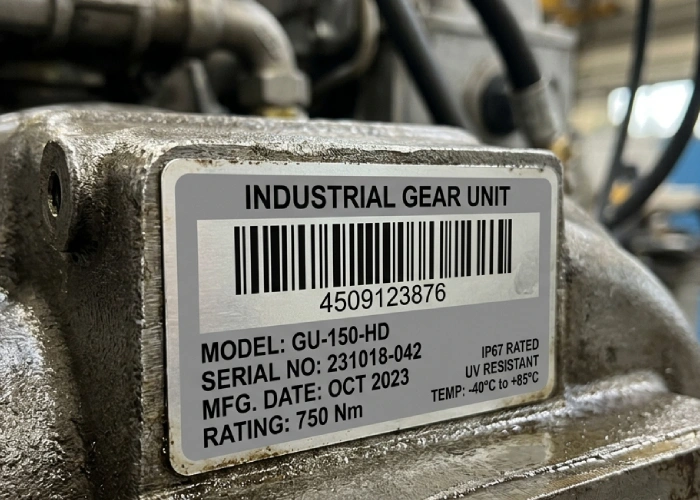
Industrial labels are built to survive conditions that would destroy a standard paper label: extreme temperatures, UV exposure, oils, solvents, and rough handling. They’re less about branding and more about durability, traceability, and safety compliance.
Best for: Machinery, electronics, automotive parts, chemical drums, and warehouse asset tagging.
Frequently Asked Questions
- What’s the difference between roll stickers and sheet labels? Roll stickers are wound on a continuous roll and designed for automated or semi-automated dispensing, making them ideal for high-volume operations. Sheet labels are printed flat in sheets and are typically better suited to low-volume, manual application.
- Which label material lasts longest in outdoor or industrial conditions? Polyester and polyimide substrates generally offer the best resistance to UV exposure, abrasion, chemicals, and extreme temperatures, which is why they’re the standard choice for industrial product labels.
- Do food product labels need special certification? Food labels don’t require a separate “certification” in most regions, but they must comply with local food labeling regulations covering nutrition facts, allergens, and ingredient disclosures. The adhesive and substrate also need to be food-safe and resistant to moisture or grease.
Final Thoughts
There’s no single “best” label, only the best label for your specific product, environment, and industry. Roll stickers suit fast-paced fulfillment operations, product packaging labels maximize shelf appeal, food and pharmaceutical labels must satisfy strict compliance rules, and industrial labels need to survive harsh conditions over the long term. Matching your label choice to these real-world demands is what keeps your product looking sharp, staying compliant, and performing exactly as intended from the warehouse to the customer’s hands.